
يُسلّم معظم الناس بأن درجة الحرارة تؤثر على النبيذ. لكن قلةً منهم تُدرك أن... شكل الزجاج يمكن أن تُغير التجربة بنفس القدر. إذا تساءلت يوماً عن سبب استخدام المطاعم لأكواب مختلفة للنبيذ الأحمر والأبيض والفوار، فالإجابة ليست شكلية، بل هي فيزياء ورائحة وكيفية عمل حواسنا.
في شركة شينغهو للزجاج، نكرس الكثير من الوقت لدراسة كيفية تفاعل النبيذ مع مختلف أشكال الكؤوس. فالكأس الجيد لا يقتصر دوره على المظهر الأنيق فحسب، بل يوجه الرائحة، ويتحكم في تدفق الهواء، بل ويؤثر أيضاً على كيفية وصول النبيذ إلى لسانك.
إليك كيفية عملها.
يُعتبر النبيذ في جوهره مرتبطاً بالرائحة. فأكثر من 70% مما نسميه "مذاقاً" يأتي في الواقع من الرائحة. ولهذا السبب صُمم وعاء كأس النبيذ على هذا النحو.
يمنح النبيذ مساحة أكبر للتنفس
يساعد على تليين التانينات
يسمح للروائح المعقدة بالظهور تدريجياً
يُعدّ خياراً جيداً لأنواع النبيذ الأحمر كاملة القوام مثل كابرنيه ساوفيجنون أو سيراه
لهذا السبب غالباً ما تختار المطاعم كؤوس نبيذ ذات ساق طويلة مع أوعية واسعة للأطباق الحمراء. (إذا كنت ترغب في استكشاف هذه، انظر:كأس نبيذ فريد)
يحافظ على نفحات الأزهار والحمضيات الرقيقة
يحافظ على برودة النبيذ لفترة أطول
يقلل من الأكسدة
تستفيد أنواع النبيذ الأبيض المنعشة مثل سوفينيون بلانك أو ريسلينج من هذا الشكل.
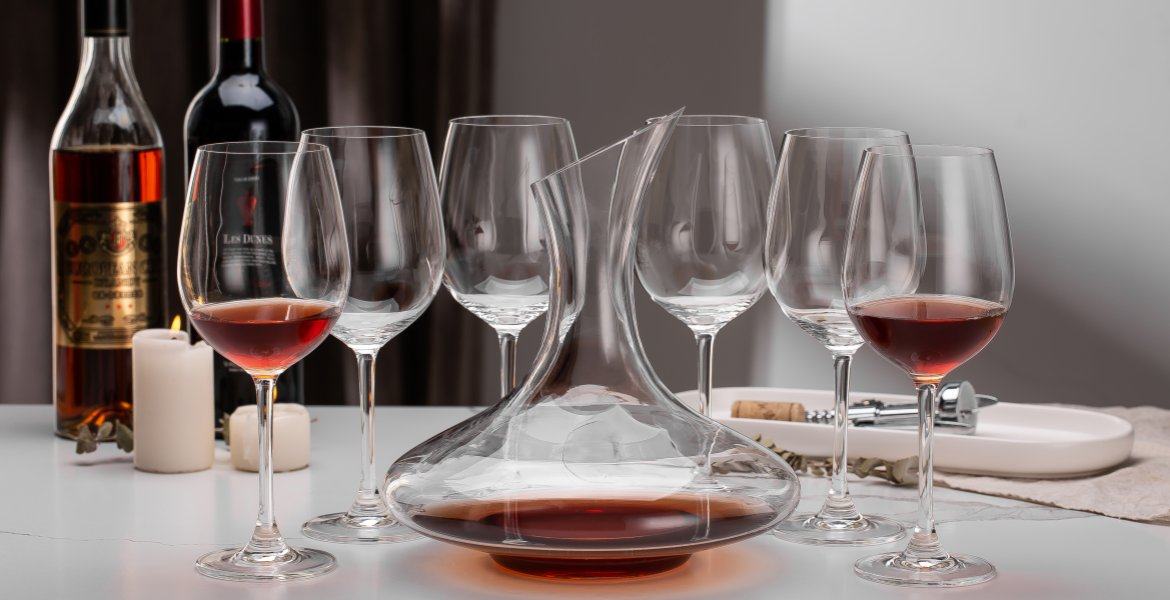
تؤثر حافة الكأس على كيفية دخول النبيذ إلى فمك.
A حافة رقيقة وناعمة يبدو أكثر رقيًا ولا يعيق تدفق النبيذ
A حافة مدببة قليلاً يركز الروائح باتجاه أنفك
A حافة أعرض يخفف من الحموضة ويجعل النبيذ يبدو أكثر سلاسة
لهذا السبب الجودة العالية كؤوس نبيذ كريستالية تحظى بشعبية كبيرة بين المحترفين. (استكشف: كأس نبيذ ريسلينج الأبيض)
تبدو الكؤوس بدون ساق عصرية، لكنها تُسخّن النبيذ بسرعة أكبر. أما بالنسبة لأنواع النبيذ التي تعتمد على النضارة - كالنبيذ الأبيض والوردي والفوار - فإن الكأس ذات الساق ضرورية.
جذع:
أبقِ يدك بعيدة عن الوعاء
يمنع انتقال الحرارة
يساعد في الحفاظ على الوضع المثالي درجة حرارة تقديم النبيذ
يجعل عملية التدوير أسهل
إذا تساءلت يوماً عن سبب إصرار خبراء النبيذ على استخدام السيقان، فهذا هو السبب.
يحافظ كأس الفلوت الكلاسيكي على حيوية الفقاعات، ولكنه يحد من الرائحة. وتستخدم حانات النبيذ الحديثة بشكل متزايد... نظارات على شكل زهرة التوليب بالنسبة للشمبانيا والنبيذ الفوار، للأسباب التالية:
يسمح الوعاء بتطور الروائح
الفتحة الضيقة تحافظ على الفقاعات
يُبرز الشكل نكهات الفاكهة والزهور
إنه تغيير بسيط يجعل النبيذ الفوار يبدو أكثر تعبيراً.
نتذوق بأعيننا قبل أفواهنا. يساعدك الزجاج الشفاف عالي الوضوح على الرؤية:
شدة اللون
اللزوجة
فقاعات
الرواسب
تشكل هذه المعلومات المرئية توقعاتك وتؤثر على كيفية إدراكك للنكهة.
لهذا السبب تستخدم شركة Xinghuo Glass الكريستال عالي الوضوح في منتجاتنا أكواب تذوق النبيذ. (يرى: اختيار كأس النبيذ المثالي: دليل للمبتدئين)
بالنسبة لشركات الضيافة، الكأس المناسب:
يعزز تجربة الضيوف
يجعل طعم النبيذ يبدو أغلى ثمناً
يحسن إطلاق الروائح
يدعم درجة حرارة التقديم المناسبة
يتماشى مع الطابع الجمالي للمطعم
وهذا أيضاً هو السبب الذي يدفع العديد من الفنادق والمطاعم إلى اختيار أكواب نبيذ مصممة خصيصاً مع علامتهم التجارية. (إذا كنت مهتمًا:خدمات مصممة خصيصاً)
إذا كنت لا ترغب في حفظ كل التفاصيل، فإليك دليل سهل:
وعاء كبير → نبيذ أحمر قوي
وعاء متوسط الحجم → نبيذ أبيض عطري
وعاء صغير → نبيذ أبيض منعش
شكل زهرة التوليب → النبيذ الفوار
ساق طويلة → التحكم في درجة الحرارة
حافة رقيقة → ملمس فموي أكثر نعومة
لست بحاجة إلى عشرات الأكواب في المنزل - فقط عدد قليل من الأكواب المصممة بشكل جيد.
النبيذ حساس. فدرجة الحرارة والهواء والرائحة وحتى شكل الكأس كلها تلعب دوراً في مذاقه.
إن كأس النبيذ المصمم جيداً لا يغير من النبيذ نفسه، بل يساعد النبيذ على إظهار ما لديه بالفعل.
في شركة Xinghuo Glass، هذا ما نسعى إليه: الأواني الزجاجية التي تسمح لكل زجاجة بالتعبير عن شخصيتها، سواء كانت نبيذًا أحمر جريئًا، أو نبيذًا أبيضًا منعشًا، أو نبيذًا فوارًا للاحتفالات.



Xml سياسة الخصوصية المدونة خريطة الموقع
حقوق النشر
© 2026 Jiangsu Xinghuo Technology Co., Ltd. جميع الحقوق محفوظة
.  دعم الشبكة

 EN
EN AR
AR